
Apple's macOS Security Pivot: A Preemptive Strike on AI Agent Liability

AI-generated image · Bay Street Wire
By redefining how users grant 'full disk access,' Apple is attempting to shift the risk burden of AI automation away from the OS and onto the user and the developer.
Q: What specific changes is Apple making to Mac security controls, and why now?
A: As TechCrunch first reported, Apple is introducing updates in macOS 27.3 to address privacy risks posed by the rise of AI agents. Unlike standard chatbots, these agents can execute actions across a user's files, apps, and operating system. To manage this, Apple is splitting Device Control and Data Access into two distinct settings: Accessibility and System & App Protection Override. According to TechCrunch, this is intended to make it clearer to users that choosing the override option means bypassing built-in security protections.
Q: How does this change the user experience for those running AI agents?
A: Apple is streamlining the permission process by allowing users to select requested apps from a single list. Additionally, the company is introducing a transparency indicator that triggers when an app controls another app via the System & App Protection Override. Users will also have more granular control, including the ability to require apps to ask for permission every single time access is needed. TechCrunch notes that while this may hinder full automation, it allows users to test local AI without granting total control.
Q: What prompted Apple to implement these guardrails?
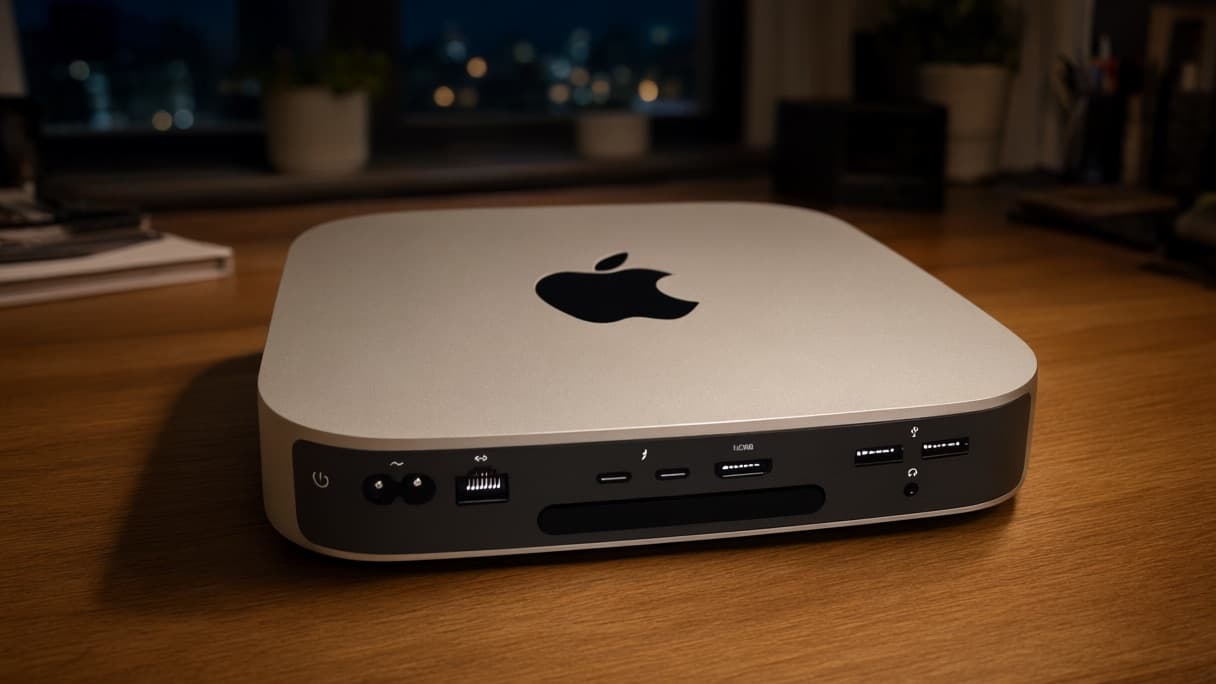
A: TechCrunch reports that Apple's concerns follow two specific security incidents. One involved a journalist who claimed Meta's Muse app accessed private messages without consent, and another involved a Wired report regarding a flaw in the ChatGPT Mac app that potentially allowed hackers to access sensitive data. Apple is balancing these risks against the commercial success of the Mac Studio and Mac mini, which early AI adopters are buying to run local models.
Q: How are these changes affecting app developers?
A: Apple is urging developers to update their onboarding to reflect these changes and to ensure their apps can function with limited access to folders or apps. However, Apple is providing a path for certain utilities; developers of assistive technologies or disk backup apps can request "entitlements" to maintain their previous functionality.
Q: [Opinion] Is this a move to avoid government regulation?
A: From my perspective as a rules-of-the-game analyst, this is a classic preemptive strike. By creating a highly visible, user-consented framework for "extraordinary access," Apple is effectively shifting the liability. If a user explicitly overrides system protections to run an AI agent, the responsibility for the resulting data breach shifts from the platform provider to the user and the third-party developer. By setting the industry standard for AI agent permissions now, Apple likely hopes to avoid more restrictive, mandatory regulations from government bodies later.