
Apple's HomeView is a Masterclass in Ecosystem Lock-In

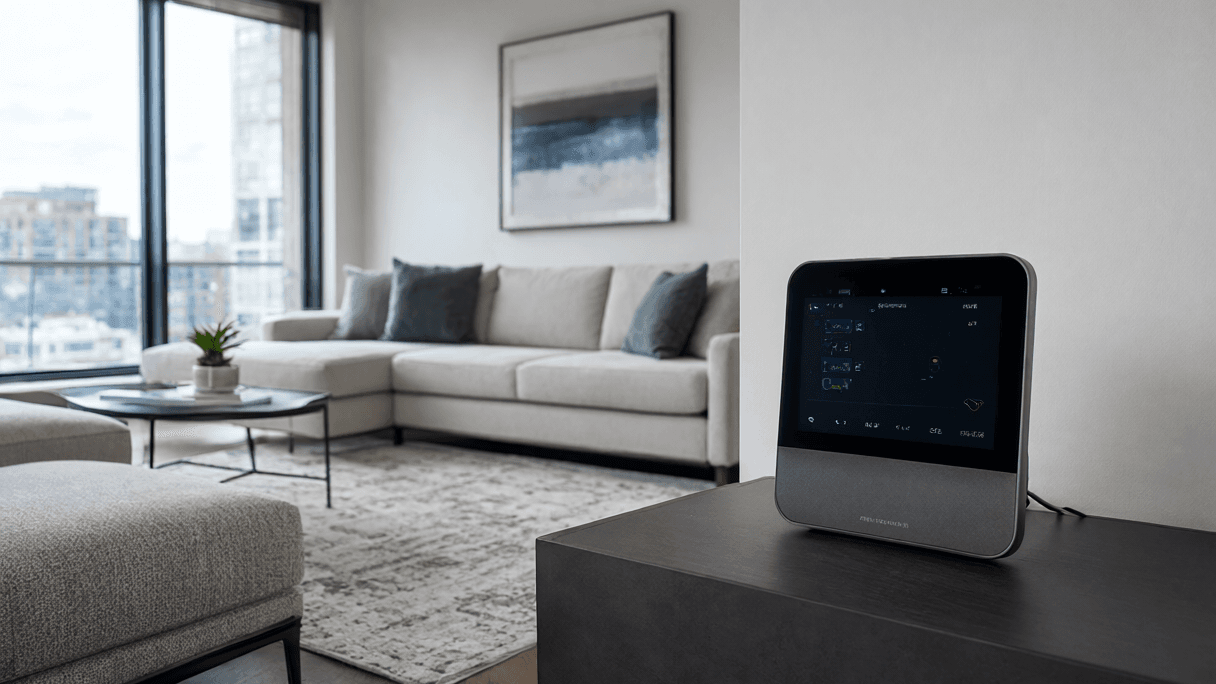
AI-generated image · Bay Street Wire
Opinion: By stripping the HomeView of its own app platform and relying on CarPlay, Apple is prioritizing its walled garden over genuine user utility.
Apple has a long history of building beautiful cages. For years, the company has perfected the art of the 'walled garden,' creating a seamless user experience that feels like magic until you try to step outside the perimeter. With the launch of the HomeView, Apple isn't just maintaining the wall; it is reinforcing it in the most frustrating way possible.
As reported by The Verge, the HomeView arrives with significant computing power and a constant connection to power—the ideal specifications for a robust, independent app platform. Yet, in a move that defies logic for any consumer seeking actual utility, Apple has chosen to rely almost entirely on CarPlay for the HomeView's app functionality.
Let's be clear: this is a choice. As David Pierce and Nilay Patel discussed on The Vergecast, the HomeView has the 'oomph' to be its own platform. Instead, Apple has decided to tether this home hub to a system designed for automobiles. This isn't about optimizing the user interface; it is about ensuring that every single interaction within the home remains strictly governed by Apple's existing ecosystem constraints.
When a company possesses the hardware capability to offer a versatile, open-ended experience but chooses instead to funnel users through a restricted, repurposed interface, it is no longer about the user. It is about the bottom line. By refusing to make the HomeView its own app platform, Apple ensures that developers and users alike remain locked into a specific, Apple-controlled pipeline. It is a strategic move to prevent any alternative utility from taking root in the smart home, ensuring that the 'hub' of your house is less of a tool and more of a tether.
This pattern of control extends beyond the hardware. While Apple presents itself as the arbiter of safety and ethics—as seen in its recent App Store updates—the reality is that the company uses these rules to maintain absolute sovereignty over its digital territory. According to reporting from The Verge's Jay Peters, Apple recently updated its App Store rules to more explicitly ban 'nudify' AI apps that create nonconsensual intimate imagery.
On the surface, this is a necessary and moral stance. Apple is responding to significant criticism, including pressure from X users regarding Grok's creation of sexualized deepfakes and a July order from a San Francisco city attorney to remove 13 such apps. Apple now requires developers to proactively prevent and remove nonconsensual sexual images, threatening to remove those who fail to implement adequate safeguards.
However, look closely at how Apple wields this power. While it bans these apps, it has notably not pulled X or Grok from the App Store entirely, despite telling senators it threatened to yank Grok. This selective enforcement reveals the true nature of the App Store: it is not a neutral marketplace, but a curated gallery where Apple decides who gets to stay based on a mixture of public relations needs and corporate interests.
When you combine the restrictive nature of the App Store with the intentional limitation of the HomeView's software capabilities, a clear picture emerges. Apple is not interested in building the most useful smart home device; it is interested in building the most controlled one.
If the HomeView were a truly consumer-centric device, it would leverage its computing power to allow for a diverse array of home-specific applications, rather than forcing users to rely on a modified version of a car interface. Instead, Apple has created a device that serves the company's ecosystem first and the homeowner second.
We are seeing a trend where 'integration' is simply a euphemism for 'dependency.' By making the HomeView rely on CarPlay, Apple ensures that the more you integrate your home, the harder it becomes to leave the Apple ecosystem. It is a brilliant business strategy and a terrible user experience.
Apple continues to market its products as tools for empowerment and creativity. But the HomeView proves that, when it comes to the smart home, Apple's priority is not empowering the user—it is ensuring the user never finds the exit to the garden.