
Amazon Scales Robotic Fleet to Over 1 Million Units

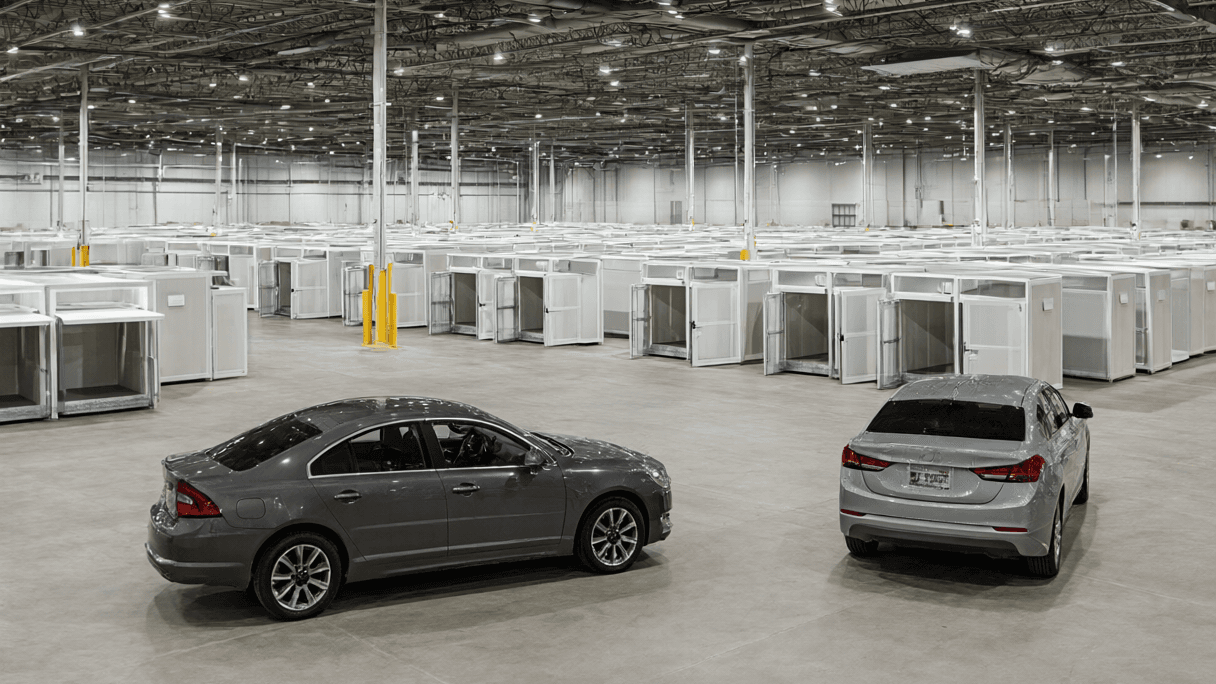
AI-generated image · Bay Street Wire
The e-commerce giant is expanding its automated workforce with new factories and AI-driven coordination, while critics warn of the impact on human labor.
Amazon now operates more than 1 million robots across its global warehouse network, as Ars Technica first reported. The company, which stands as the second-largest corporate employer globally with over 1.5 million human workers per its 2025 annual report, is moving to further expand this fleet by establishing new production factories in Greenwood, Indiana, and Austin, Texas.
The robotic workforce is anchored by the acquisition of Kiva Systems in 2012, now known as Amazon Robotics. Much of the current fleet consists of wheeled mobile robots, including the Hercules and Titan models, which transport inventory pods to human workstations. Amazon claims its Sequoia system, which coordinates these robotic swarms, can identify and store items up to 75 percent faster. To manage potential traffic jams among these units, Amazon utilizes a suite of AI foundation models called DeepFleet.
While many robots operate in fenced areas, Amazon has introduced Proteus, a mobile robot equipped with sensors to operate safely around human employees. Additionally, CFO Brian Olsavsky stated in a July earnings call that the company expects to more than double its current fleet of robotic arms this year. These arms are designed to sort packages and retrieve items from inventory pods.
Amazon executives, including Amazon Robotics Vice President Scott Dresser, maintain that these technologies are intended to assist employees and improve customer experience. Company leadership asserts that robots take over the most physically demanding tasks to reduce injury and fatigue. This is a significant consideration given that the US Occupational Safety and Health Administration reports injury and illness rates in the US warehouse sector are typically more than double the average across all industries.
However, independent researchers and labor advocates express concern over the integration of AI-driven automation. Brian Greenwood, a professor of business at George Mason University, told Ars Technica that the rise of collaborative robots changes the workplace dynamic because the machines are physically proximate to humans and possess the ability to dictate the pace of work.