
Algorithmic Gouging is a Threat to Our Students' Tables

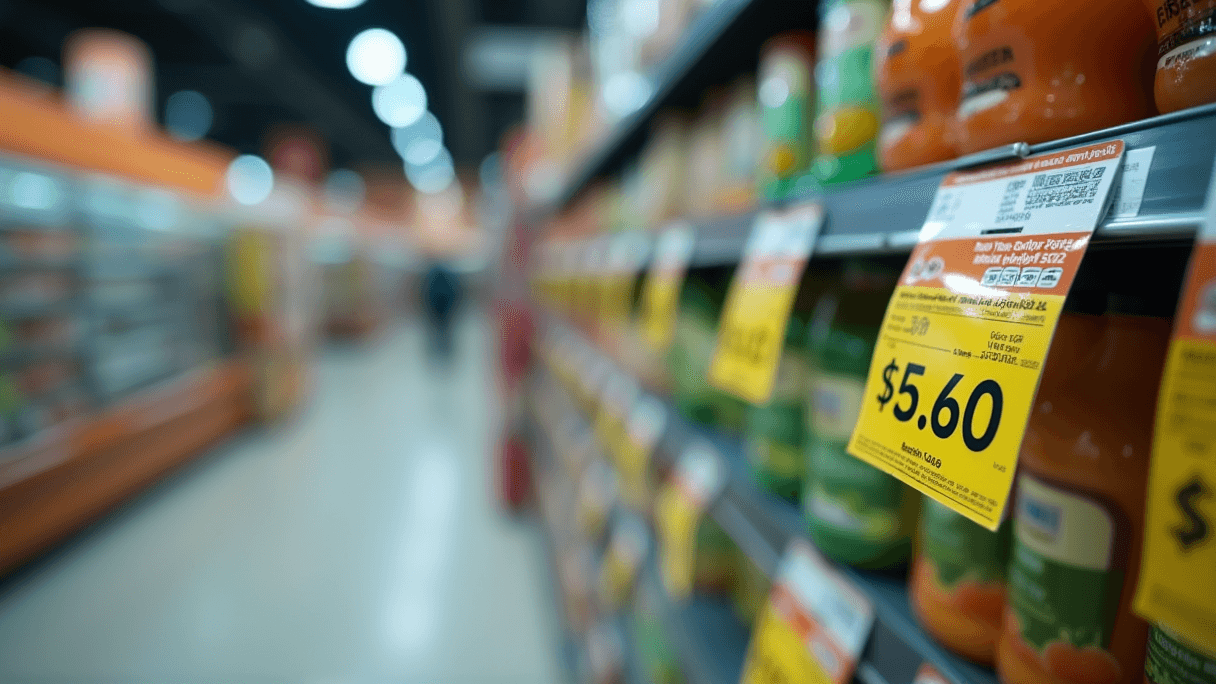
AI-generated image · Bay Street Wire
Opinion: Mayor Olivia Chow's push to ban surveillance pricing in Toronto is more than a grocery issue—it is a necessary shield for low-income families and students facing predatory data practices.
As a columnist covering the intersection of education and community welfare, I see the classroom not as an isolated vacuum, but as a space where the stresses of home inevitably follow the student. When Mayor Olivia Chow recently introduced a motion to ban "surveillance pricing" in Toronto, she wasn't just targeting a corporate accounting trick; she was addressing a systemic threat to the stability of low-income households and the students within them.
According to reporting from CBC Toronto, surveillance pricing occurs when businesses leverage consumer data to determine the maximum price an individual customer is willing or able to pay. In essence, it is the weaponization of personal information to maximize profit. For a family already struggling with the cost of living, this isn't just "dynamic pricing"—it is, as Coun. Alejandra Bravo described it to CBC Toronto, "predatory pricing."
From an educational perspective, the stakes are incredibly high. We know that food insecurity is a primary barrier to academic success. Mayor Chow has already taken steps to support students through the city's school food program, as noted by CityNews Toronto. However, providing a meal at school is only half the battle if the families of those students are being gouged at the grocery store through algorithmic discrimination. If a corporate giant uses a parent's internet search history or personal data to hike the price of essentials, they are effectively taxing the most vulnerable members of our community.
There is a dangerous counter-argument being floated by the provincial government. Ontario Premier Doug Ford has expressed opposition to such a ban, arguing to CBC Toronto and CityNews Toronto that he believes in a free-market, capitalist society where competition is the primary driver of low costs. Premier Ford has explicitly stated that dictating prices is a hallmark of socialism, which he claims "does not work."
But we must ask: is it truly a "free market" when the price of a gallon of milk or a box of cereal is determined by a hidden algorithm that knows more about the consumer than the consumer knows about the pricing structure? When data is used to extract the maximum possible amount from a struggling family, that is not competition—it is exploitation.
Toronto is not alone in this fight. CBC Toronto reports that Manitoba is currently examining "personalized algorithmic pricing" as an unfair business practice, while the province introduced legislation in March to ban "predatory pricing," according to CityNews Toronto. Even at the federal level, while an NDP motion to ban the practice failed, the initial draft of Canada's federal AI strategy suggests a commitment to strengthening privacy laws to ensure personal information is not used inappropriately for surveillance pricing, per CBC Toronto.
Mayor Chow is right to demand that city staff explore every possible avenue to regulate this practice for groceries, including online and delivered goods. No student should have their home life destabilized because a corporate algorithm decided their parents' data made them a target for higher prices. If we are to protect the next generation, we must ensure that the "essentials" of life remain fair for everyone, regardless of what their data profile says about their wallet.