
AI Wearables: Productivity Powerhouses or Just Expensive Mics?

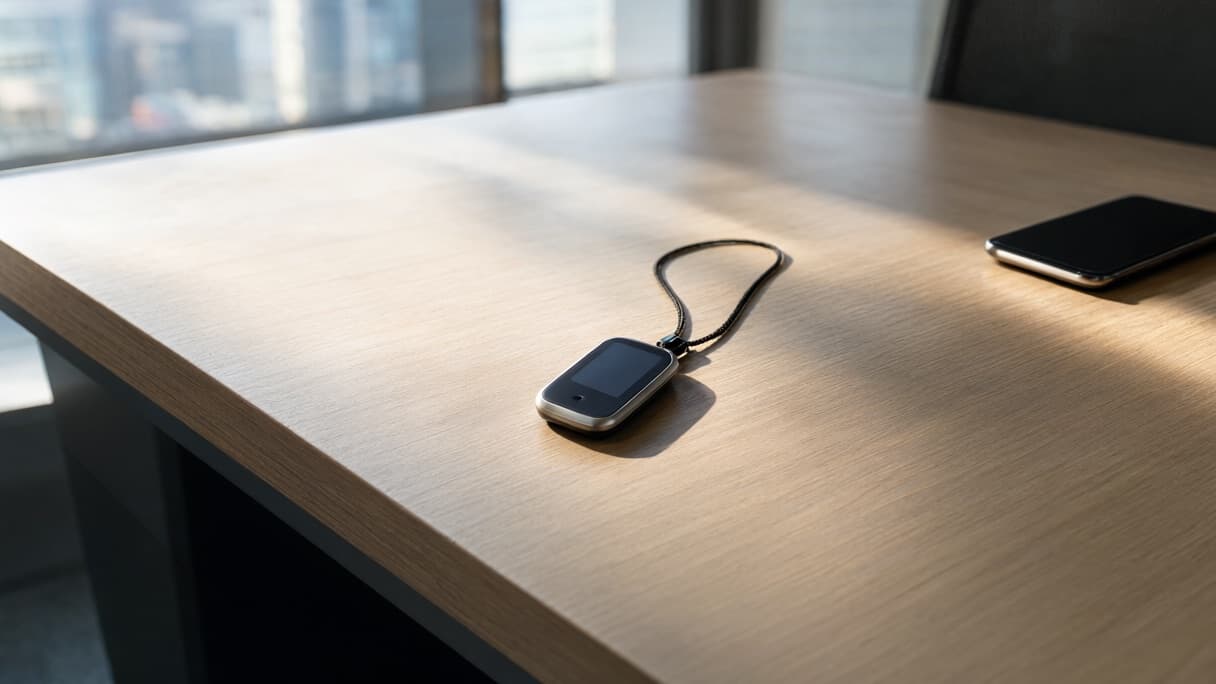
AI-generated image · Bay Street Wire
Theo Lindqvist breaks down the latest wave of AI pendants and gadgets to see which ones actually earn their keep.
Q: There is a flood of AI wearables hitting the market right now. What is the general pitch for these devices?
A: As TechCrunch first reported, these gadgets range from rings and necklaces to wristbands and portable devices. Some are marketed as productivity tools, while others are designed as friendly companions that listen to your thoughts. Even OpenAI is currently developing a compact AI companion device.
Q: Which devices are focused specifically on productivity and transcription?
A: Several devices target professionals. Plaud offers the NotePin for $159, a wearable voice recorder for students, lawyers, and journalists that saves recordings to a phone in real time. Plaud is also taking preorders for a $179 ultra-thin device called the Plaud Note Pro. Limitless (previously known as Rewind) sells a $99 pendant that transcribes and summarizes meetings and calls. Omi, priced at $89, uses ChatGPT to remember user context and can help with scheduling and to-do lists. Finally, Amazon's Bee line—which includes the $49.99 Bee, the $74.99 Bee Frontier, and the $99.99 Bee Eclipse—records audio to create notes and reminders.
Q: Are there any AI wearables that aren't about productivity?
A: Yes. TechCrunch highlights the Friend pendant, a $129 device acting as an emotional support companion that recognizes mood and tone. Then there is Nirva, a startup founded by former Meta Reality Labs employees; their $249 pendant or bracelet focuses on personal growth by turning speech into a personal journal to help users analyze habits and emotions. Meta is also entering the space with Muse, a pocket-sized device featuring a digital avatar named Jolly and a miniature display.
Q: Many of these seem like simple microphones. Do they require ongoing payments?
A: Often, yes. For example, the Bee device requires a $19 monthly subscription for its iOS companion app. Limitless provides 10 hours of AI features monthly, but users must pay $29 per month for unlimited access. Plaud offers 300 free transcription minutes monthly, but users can upgrade to 1,200 minutes via a Pro plan costing $8.33 per month.
Q: Are there any non-wearable AI gadgets mentioned?
A: The Rabbit R1 is a notable handheld device. Priced at $199, it features a rotating camera and a touchscreen, designed to handle tasks like ordering meals or booking flights.
Q: Have any of these devices faced public backlash?
A: TechCrunch reports that Friend faced criticism over a subway ad campaign in NYC, where people vandalized the ads with messages such as “surveillance capitalism.”