
A Ten-Day Hospitalization Warning: The Hidden Danger of Tick-Borne Illnesses

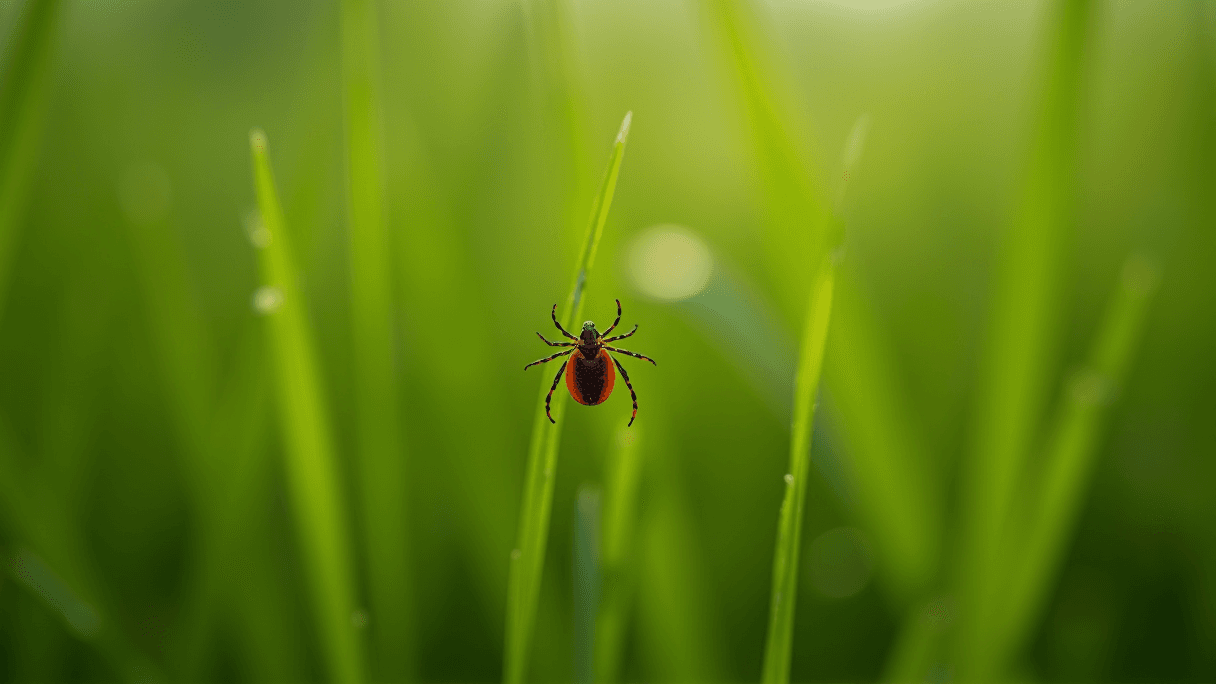
AI-generated image · Bay Street Wire
The harrowing ordeal of one Ontario man underscores the volatility of acute care when treatable infections spiral into life-threatening crises.
The fragility of our health system is often most visible when a routine occurrence—like a tick bite—escalates into a fight for survival. For Peter Redman, a resident of Ontario, what began as a common encounter with a tick resulted in a ten-day hospitalization in Kingston that nearly ended in fatality.
As reported by Global News Toronto, Redman is accustomed to tick bites, noting he typically encounters one per month. However, this specific incident led to a rapid deterioration of his health, characterized by vomiting, a high fever, and a precipitous drop in blood pressure. His wife, Laura Redman, described the terror of watching him stagger through their home and fall into walls before they sought emergency care.
Once hospitalized, the severity of the systemic strain became apparent. Redman recounted a moment of extreme instability where his heart rate plummeted to approximately 28 beats per minute, leading medical staff to ask him for his wishes should his heart stop. He was eventually diagnosed with anaplasmosis, a bacterial infection transmitted by blacklegged ticks.
According to Joan Black, a clinical nursing facilitator with Southeast Public Health, these ticks carry multiple bacteria, including those responsible for Lyme disease. While antibiotics typically facilitate recovery, Global News Toronto reports that severe cases can progress to organ failure or death.
This individual crisis mirrors a broader public health trend. Data provided by the Ontario government indicates that since 2021, more than 10,000 cases of Lyme disease have been reported in the province. Since 2023, officials have recorded over 300 cases of anaplasmosis, 30 cases of babesiosis, and approximately 20 cases of the Powassan virus.
Dr. Kieran Moore, Ontario’s chief medical officer of health, has warned that as ticks expand into new territories, more residents are at risk. He advises the public to remain vigilant in grassy and wooded areas, wear appropriate clothing, and perform routine tick checks. Health officials emphasize that anyone experiencing fatigue, muscle aches, chills, fever, or a rash following a bite must seek immediate medical attention to avoid the kind of acute collapse experienced by Redman.