
A 19th-Century Hat and the Fragility of a Single Vote

AI-generated image · Bay Street Wire
In Norfolk County, a democratic deadlock was broken by a piece of history, reminding a polarized world that sometimes fate is the only remaining arbiter.
In a modern political landscape often defined by rigid polarization and digital precision, there is something profoundly grounding about the image of a 19th-century wedding hat deciding the fate of a local government seat. In Norfolk County, Ontario, as CBC News first reported, the resolution of a democratic deadlock did not come through a policy debate or a strategic pivot, but through the simple, tactile act of drawing a name from a hat.
According to reporting from CBC News, the race for the Ward 4 council seat became a statistical anomaly following the Oct. 26 municipal election. After a long campaign and a recount conducted on a Thursday morning, it was confirmed that incumbent Chris Van Paassen and challenger Jeni Lambert had each received exactly 858 votes.
With two candidates and only one seat, Norfolk County Clerk William Tigert turned to the Municipal Elections Act. Tigert, who noted that this was the first tie vote he had experienced in 35 years of municipal elections, explained that the legislation requires the clerk to draw the name of the successful candidate by lot in the event of a tie after a recount.
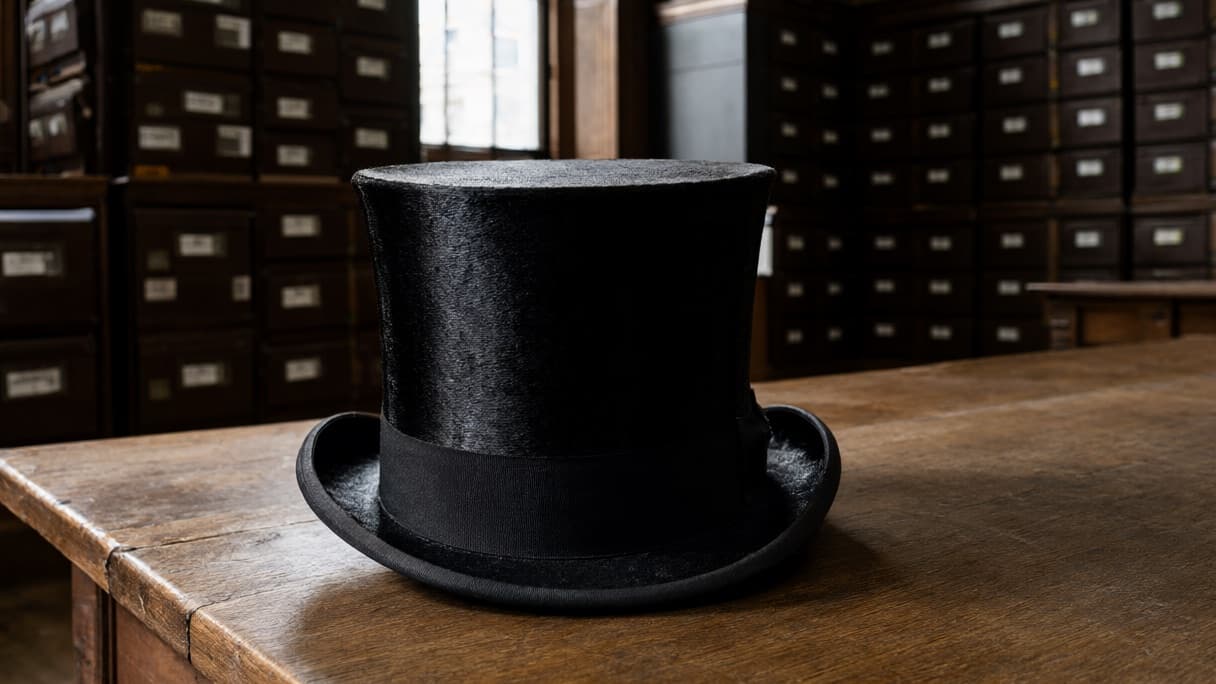
To facilitate this, county archivist Joshua Klar selected a black top hat from the county archives. As Klar told CBC News, the hat once belonged to Samuel Sowden, a businessman and farmer from Woodhouse Township, who wore the garment at his wedding in February 1883. The hat, believed to have been bought at a shop in Simcoe, served as the vessel for the two cards representing the candidates.
When Tigert drew the name of Chris Van Paassen, the tension of two weeks of uncertainty finally broke. Van Paassen admitted he had not been prepared for his own name to be pulled, though he expressed relief that the community finally had an answer. He credited Lambert for running a strong campaign and noted that the tie proved her message resonated with the electorate.
However, the reliance on chance sparked a conversation about the nature of democracy. Lambert told CBC News that she would prefer to see legislation changed to allow for a more democratic resolution, such as another head-to-head vote, expressing concern that leaving such an important decision to fate could alienate voters.
Beyond the mechanism of the draw, the tie served as a stark illustration of the power of the individual voter. With a reported turnout of 33 per cent—meaning 20,162 ballots were cast out of 61,085 eligible voters—Lambert noted that the result was a perfect example of how every single vote matters. Van Paassen echoed this sentiment, stating his hope that future municipal election turnout would increase to between 60 and 90 per cent.
While the draw has identified a winner, the process is not yet complete. Per the legislation, those involved in the recount have 15 days to apply for a judicial recount. Should no such application be filed, Tigert is authorized to officially declare Van Paassen the winner on the 16th day.
In the meantime, the 1883 top hat returns to the archives, though Tigert suggested the county may add a historical note to the artifact regarding its role in settling the 2026 Ward 4 election.